Royal Collection Jewelry Trends: What's In and What's Out
The domain of prestigious jewelry collections is undergoing a notable transformation. Dramatic statement accessories embellished with grand gemstones are rising to prominence. By comparison, traditional designs are giving way to simple designs that celebrate sophistication. This evolution captures a rising need for uniqueness in personal styling. As trends evolve, identifying what stands the test of time and what loses relevance becomes critical. The upcoming section will examine these fascinating trends in greater detail.
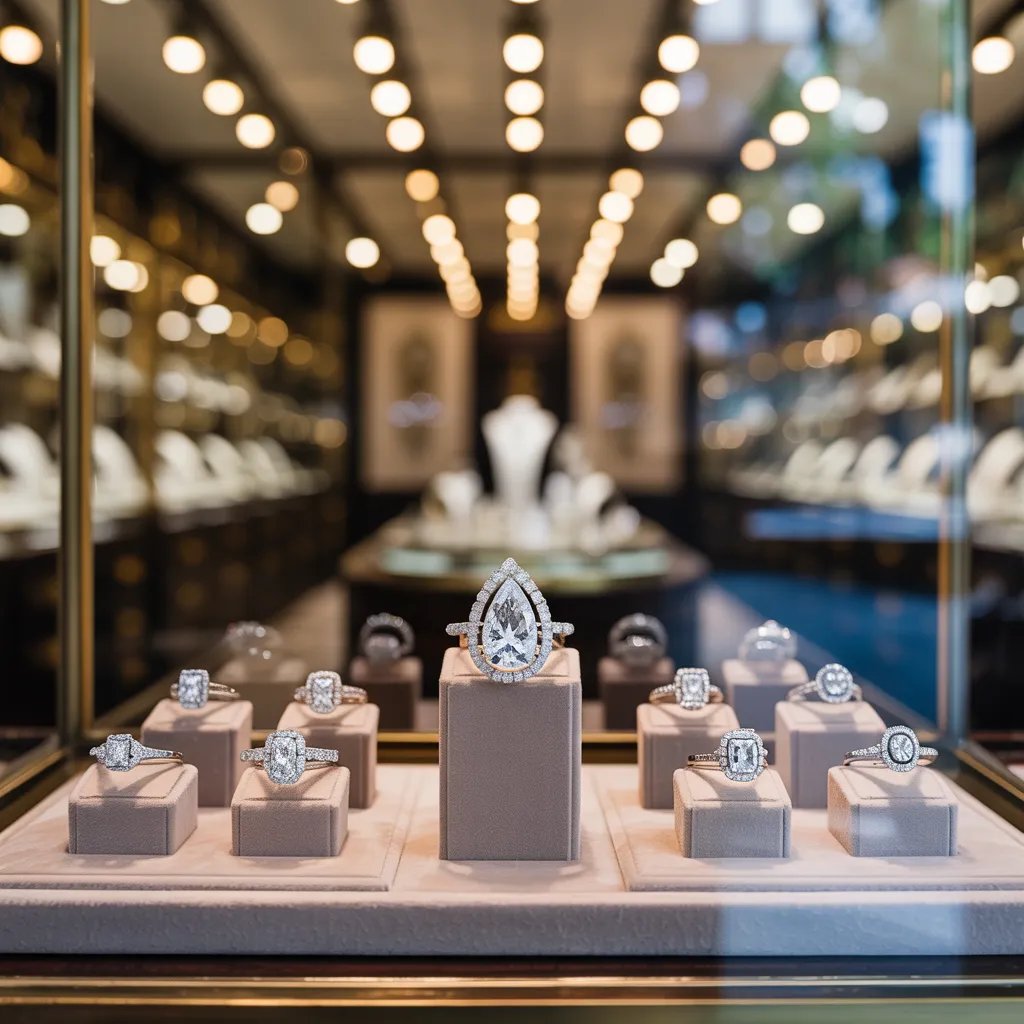
The Allure of Royal Jewelry
The skill showcased in producing such adornments is extraordinary, displaying remarkable skill that has progressed across generations. Time-honored methods, merged with contemporary advancements, guarantee these creations stay significant in contemporary fashion.
Royal jewelry often features distinguished designs, like tiaras and brooches, which function as emblems of status and identity. As interest in the monarchy continues to grow, the appeal of these magnificent jewels remains an inspiration for jewelry enthusiasts and collectors alike, reinforcing the enduring appeal of regal tradition in the domain of ornamental artistry.
Striking Statement Pieces in Royal Jewelry: The Latest Trends
Bold statement pieces are increasingly dominating the world of royal adornment, drawing the interest of style connoisseurs and collectors alike. Such striking pieces often feature oversized gemstones, intricate designs, and bold colors, setting them apart from traditional, understated pieces. Royals are embracing this trend, showcasing unique necklaces, oversized brooches, and dramatic earrings throughout public events and appearances.
Elements such as vibrant gemstones, fine gold, and even unique additions like textiles or feathers are being employed to craft dramatic visual impacts. This move toward daring aesthetics represents a broader cultural movement that embraces individuality and self-expression. Furthermore, digital media channels magnify such trends, empowering members of royalty to engage with a younger demographic enthusiastic to embrace the glamour of royal fashion.
As these bold statement pieces continue to gain traction, they transform the boundaries of royal adornment, representing a fresh perspective of royal elegance that is both striking and within reach.
Subtle Sophistication: Distinguished Examples of Monarchical Adornments
Quiet refinement often defines the jewel preferences of noble figures, demonstrating a discerning eye that stands the test of time. Timeless pearl necklaces, enduring diamond accents, and understated gold bracelets embody this refined style, providing a understated refinement. These timeless selections not only enhance noble dress but also highlight the enduring appeal of minimalism in luxury accessories.
Timeless Pearl Necklaces
Despite the ever-changing landscape of jewelry trends, pearl necklaces continue to represent timeless elegance, particularly in royal circles. Their timeless charm spans generations, making them a staple in royal collections. Outstanding examples feature Queen Elizabeth II's iconic three-strand pearl necklace, often worn during state occasions, highlighting the flexibility of pearls in both formal and everyday settings. Likewise, the late Princess Diana regularly complemented her look with exquisite pearl pieces, accentuating her distinguished style. The understated beauty of these necklaces complements a variety of outfits, highlighting elegance without overpowering the wearer. As fashion evolves, the lasting appeal of pearl necklaces remains compelling, establishing their significance in royal jewelry traditions and beyond.
Traditional Diamond Stud Earrings
Diamond studs are a timeless accessory, capturing a refined elegance that appeals to both everyday wearers and royalty alike. These timeless supporting information pieces have graced the ears of many royal figures, symbolizing understated elegance. Interestingly, British royal family members have regularly been observed wearing their own interpretations, demonstrating the flexibility of this enduring design. The lasting appeal of diamond studs stems from their capacity to enhance a broad variety of outfits, ranging from everyday casual to elegant formal wear. Their sparkle and fine craftsmanship accentuate the wearer's refinement without dominating the look. As fashion trends evolve, diamond studs continue to be a reliable choice, reminding us that some styles are truly eternal, transcending generations and setting a standard for elegant adornment.
Elegant Minimalist Gold Bangles
Minimalist gold bangles exemplify the essence of refined style, capturing attention with their sleek designs and subtle shine. In royal collections, these accessories frequently embody the essence of quiet opulence. Notable figures like Queen Letizia of Spain have been observed adorning themselves with slender, refined bangles that enhance without dominating their ensembles. These ornaments display impressive flexibility, moving gracefully from informal daytime styles to refined evening occasions. The minimalist aesthetic resonates with contemporary trends, drawing in those who prefer a sophisticated yet current aesthetic. As trends shift and change, these bangles persist as a cornerstone piece, embodying a lasting allure that bridges generations. Their sustained appeal reflects a movement toward more individualized statements in royal jewelry selections.
Enduring Jewelry Trends That Continue to Thrive Today
When exploring the timeless allure of fine jewelry, some styles continually emerge for their classic sophistication and flexibility. Traditional pearl necklaces, as a prime example, have stayed a cornerstone in casual and formal occasions alike, embodying grace and sophistication. Likewise, diamond stud earrings provide a subtle yet impactful way to enhance any outfit, proving their worth as a must-have accessory.
Furthermore, the charm of gold chains remains strong, whether worn solo or layered for a stylish twist. These accessories not only suit various aesthetics but also outlast trends, making them a sound investment. Retro-influenced designs, such as Art Deco rings, keep enchanting those seeking one-of-a-kind statements while paying homage to the past.
Essentially, these timeless jewelry styles embody a remarkable fusion of the traditional and the modern, guaranteeing their presence in the wardrobes of style enthusiasts for many years ahead.
Tradition-Influenced Jewelry Designs
How do jewelry styles rooted in heritage traditions preserve cultural narratives while connecting with modern tastes? These works commonly derive inspiration from historical motifs, shaping pieces that convey stories of their heritage while aligning with current aesthetic sensibilities. Utilizing traditional techniques and materials, they blend craftsmanship with innovation, showcasing intricate patterns and symbolic elements that reflect diverse cultural heritages.
These designs frequently feature vintage gemstones or artisanal methods, enhancing their authenticity and allure. The resurgence of interest in these pieces arises from a wish to embrace one's roots, permitting collectors to commemorate their lineage or life story. Moreover, legacy-inspired pieces nurture a spirit of kinship and personal significance, making such pieces distinctly desirable in today's culturally diverse landscape. As contemporary style places greater emphasis on sustainable choices, these classic creations appeal to buyers looking for significant embellishments that surpass short-lived fashions, embodying both nostalgia and modern elegance.
Upcoming Trends in Royal Jewelry for the Next Season
As royal jewelry continues to evolve, next season promises a remarkable fusion of grandeur and modern aesthetics. Rising fashion movements point to a shift towards striking, expressive jewelry that reflect individuality while maintaining traditional elegance. Anticipate an abundance of grand, eye-catching gems, especially richly hued stones like emeralds and sapphires, which are set in detailed, cutting-edge arrangements.
Layering is also set to take center stage, with royals embracing the art of mixing and matching rings, necklaces, and bracelets for a unique personal flair. Sustainability is increasingly coming to the forefront, with an increasing number of pieces showcasing ethically sourced materials and vintage designs reimagined for today's aesthetic.
Moreover, asymmetrical styles are growing in popularity, delivering a new interpretation of traditional designs. This season, royal jewelry aims to both honor its heritage and redefine luxury through innovative craftsmanship, making it an enchanting spectacle for enthusiasts and collectors alike.
Fading Patterns in Royal Jewelry?
As the jewelry landscape evolves, certain royal styles are experiencing a decline in popularity. The once-celebrated vintage revival is waning, while overly ornate designs are increasingly seen as outdated. This transition points to a growing preference for minimalist and modern styles in royal jewelry.
Classic Revival Regression
Whereas vintage jewelry has historically enchanted enthusiasts and collectors, recent observations suggest a decline in its popularity, especially among royal communities. Once a staple in royal collections, items influenced by past eras are increasingly eclipsed by modern designs. This shift mirrors a wider movement toward contemporary styles that prioritize simplicity and minimalism, appealing to younger generations.
As royals curate their public personas, they show a growing preference for items that align with contemporary fashion trends over traditional designs. This transformation signals a drive for change in royal jewelry, moving away from the elaborate features of classic heirloom designs. As a result, the charm of nostalgic revivals appears to be fading, marking a significant change in the style sensibilities of today's royal figures.
Excessively Elaborate Styles Gone
The departure from vintage jewelry has accompanied a broader distancing from overly ornate styles among royal circles. In recent years, royal family members have moved towards more understated and minimalist designs, signaling an appreciation for refined elegance over extravagance. This movement signals a clear distinction from the elaborate, ornate pieces that once dominated royal jewelry collections. Simple lines, subtle gemstones, and clean silhouettes are now favored, highlighting quality over showiness. This evolution suggests a societal transition towards modern values and functionality, as royal figures endeavor to embrace current artistic trends. The preference for refined elegance over elaborate ornamentation reflects an evolving relationship with tradition, connecting royal adornments with contemporary values while continuing to respect historical traditions.
Questions We Often Receive
How Is Royal Jewelry Commonly Assessed for Its Value?
Fine royal jewelry is commonly evaluated for its worth through expert evaluations which examine key aspects like provenance, artisanal workmanship, stone quality, and current market trends. Certified jewelry specialists frequently utilize thorough record-keeping and market comparisons to establish precise monetary value.
What Materials Are Frequently Used in Royal Jewelry Designs?
Royal jewelry designs traditionally include luxury metals like gold and platinum, as well as precious stones such as rubies, diamonds, emeralds, and sapphires. Such materials are selected for their exceptional rarity, stunning beauty, and historical relevance in royal customs.
How Do Royals Choose Jewelry for Public Appearances?
Royal figures select jewels for official engagements based on occasion, historical significance, and personal preference. They frequently select pieces symbolizing historical legacy or dynastic customs, ensuring their selections convey elegance while reflecting their status and personal style.
Are There Any Famous Royal Jewelry Heists in History?
Across the span of history, a number of notable royal jewel thefts have occurred, including the early twentieth century theft of the renowned Crown Jewels from the Tower of London and the 2003 theft of the royal jewels in Germany, demonstrating their vulnerability.
What Role Does Cultural Heritage Play in Royal Jewelry?
Cultural traditions greatly impact royal jewelry, embodying history, culture, and tradition. Each piece often reflects the skill and artistry of its time, acting as a physical link to history and a testament to cultural heritage.
Wrapping Up
Ultimately, the transformation of royal jewelry styles highlights a fascinating blend of striking statement accessories and understated elegance. As minimalist aesthetics and individuality become more prominent, the shift away from vintage styles echoes general societal tendencies for quality craftsmanship and practicality. The future offers thrilling advancements, as traditional designs and modern innovations continue to shape the royal jewelry scene, guaranteeing its continued relevance in modern style. The appeal of royal adornments continues, adapting to the tastes of the next generation.